
A Solution for Empty Spaces
Transforming Sacramento’s Vacant Properties into Vibrant Parts of Our Community
For Business Owners
Rent going up? Vacant buildings nearby making it harder to run your business?
Share your story. It helps make the case that this policy is needed now.
Endorsed by Local Businesses
Sacramento business owners are backing the Vacancy Fee
“As a business owner, having an empty space serves no one. When spaces are filled and activated, it brings more foot traffic to the area, which benefits everyone. A rising tide lifts all boats.”

“We’ve seen local businesses close and buildings just get boarded up and stay unoccupied, and we’ve seen Sacramento become a less welcoming and less vibrant place as a result. Vacancy after vacancy deters people from wanting to explore the city and has a real negative effect on our business.”

Own a business in Sacramento? Add your endorsement →
The Problem
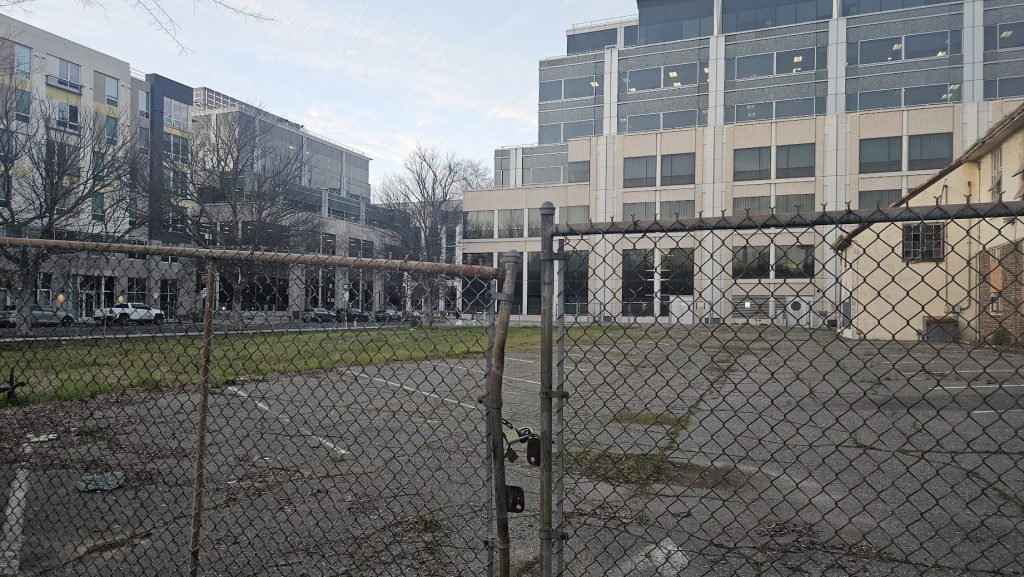
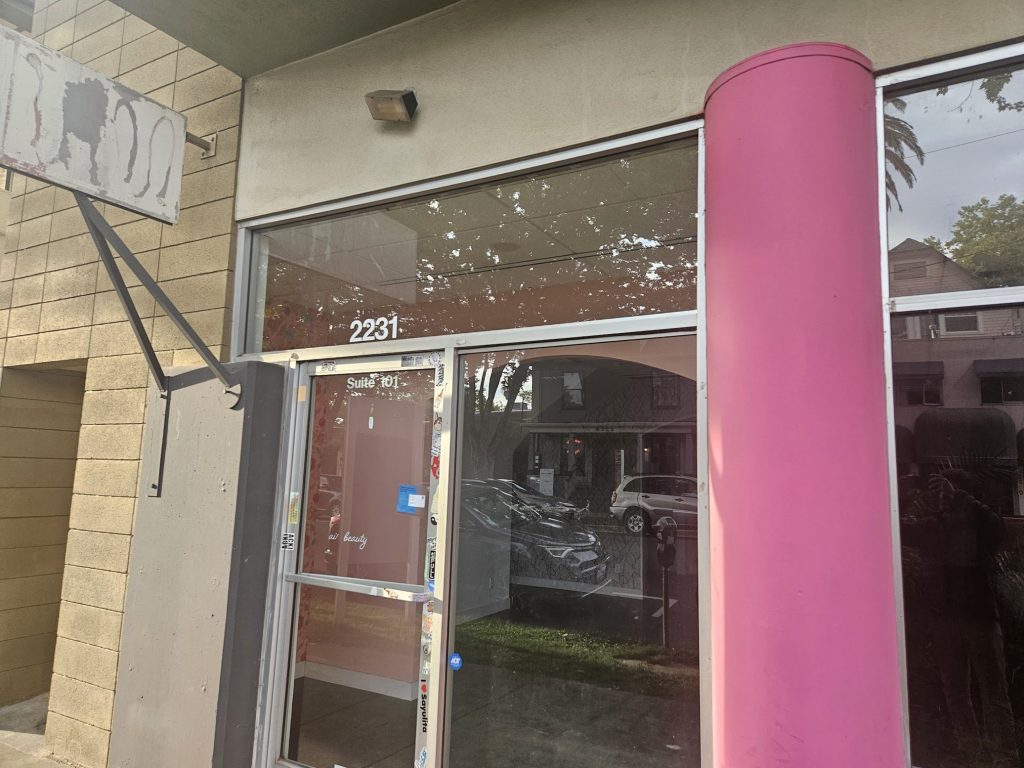
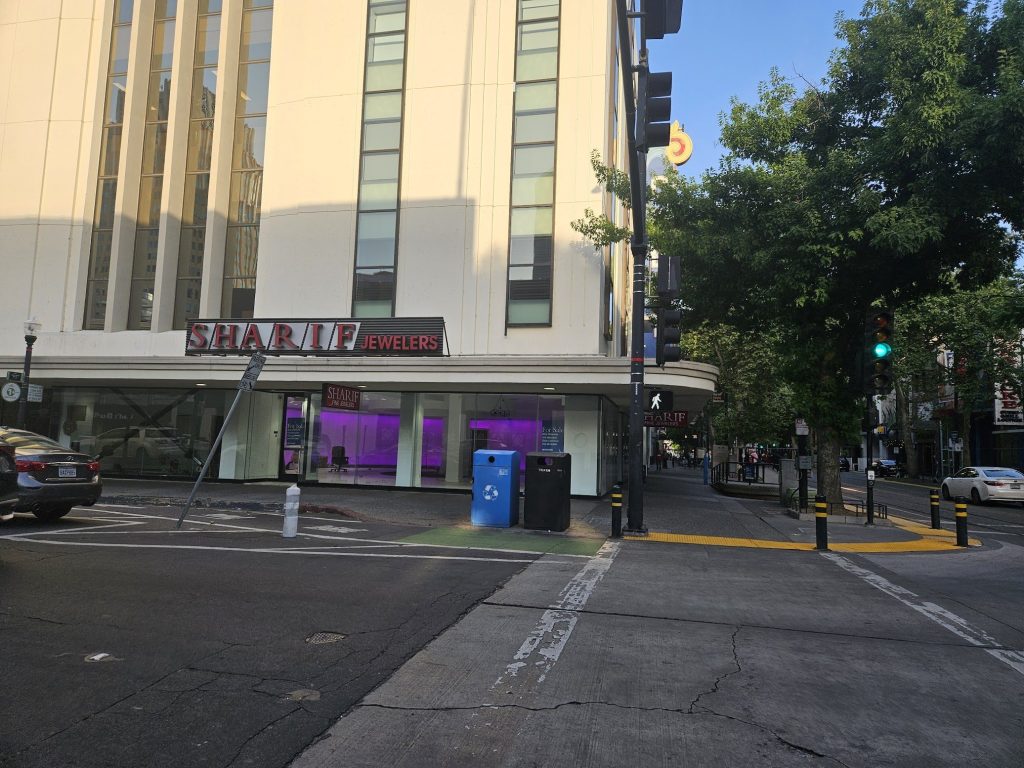
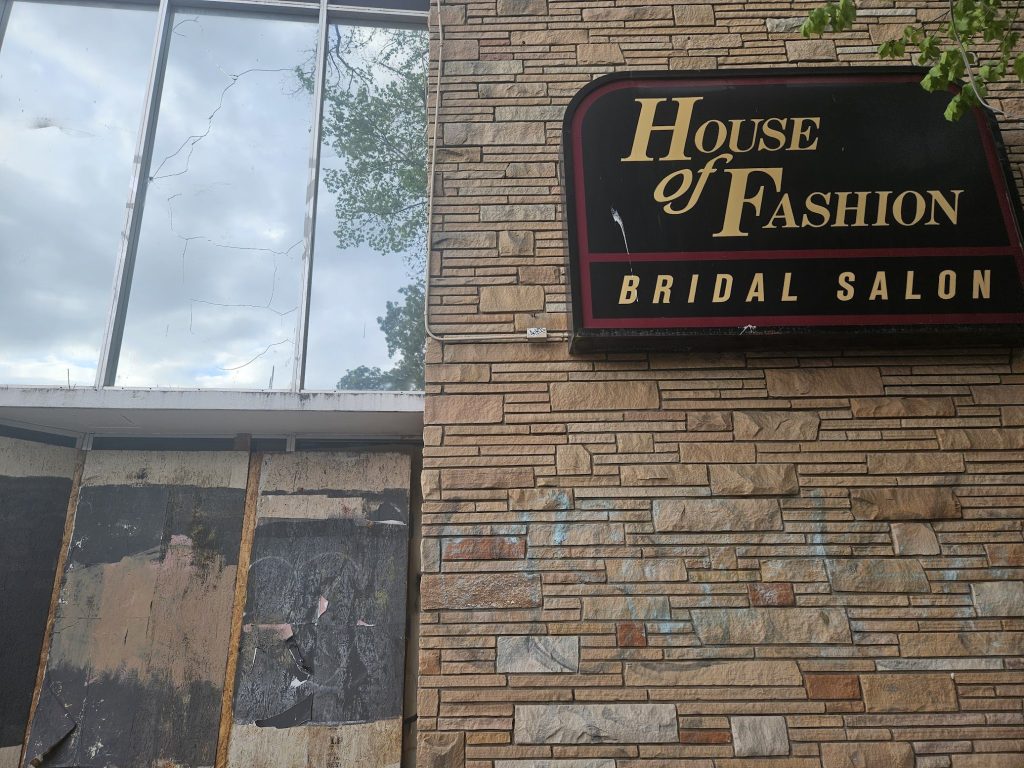
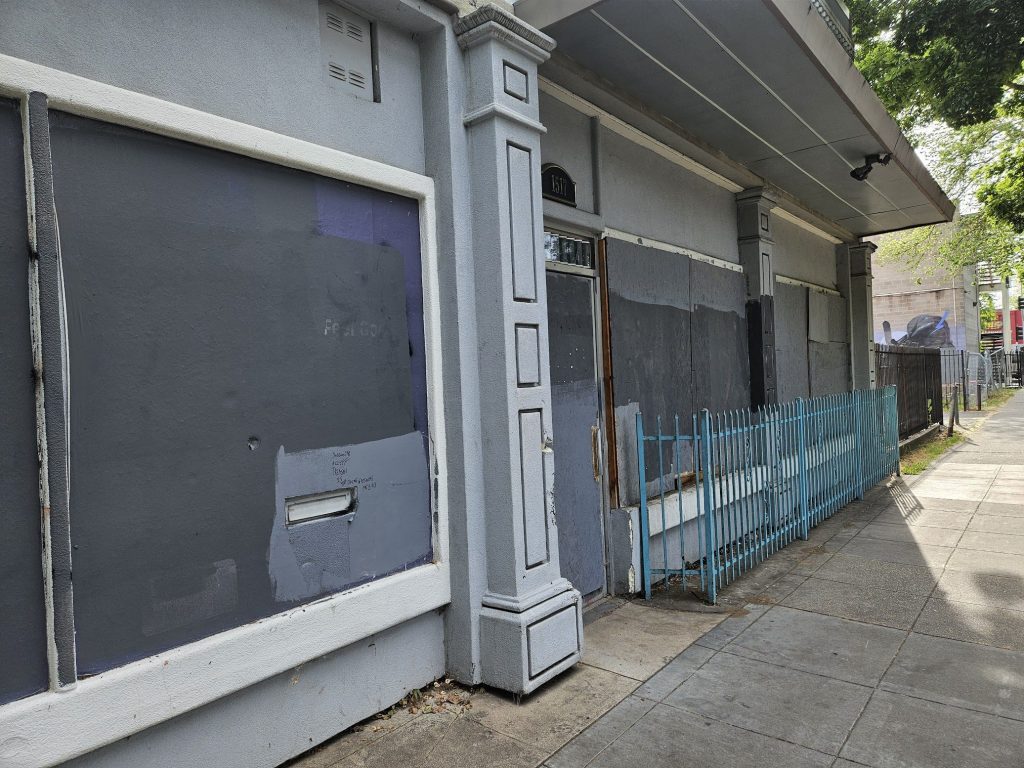
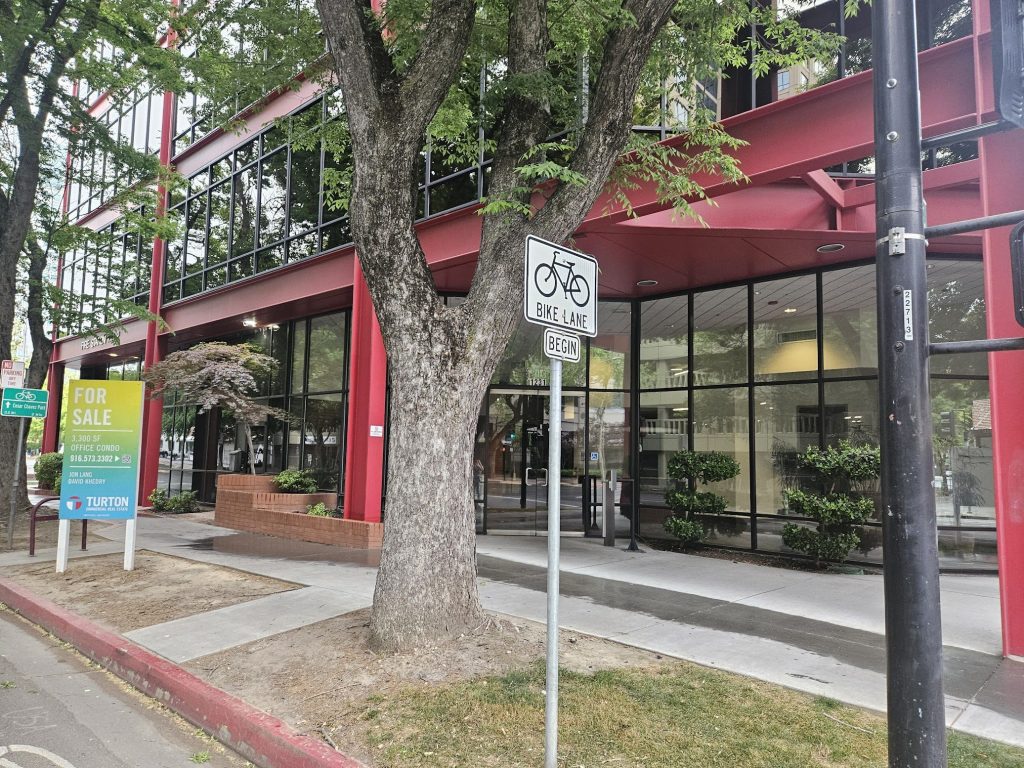
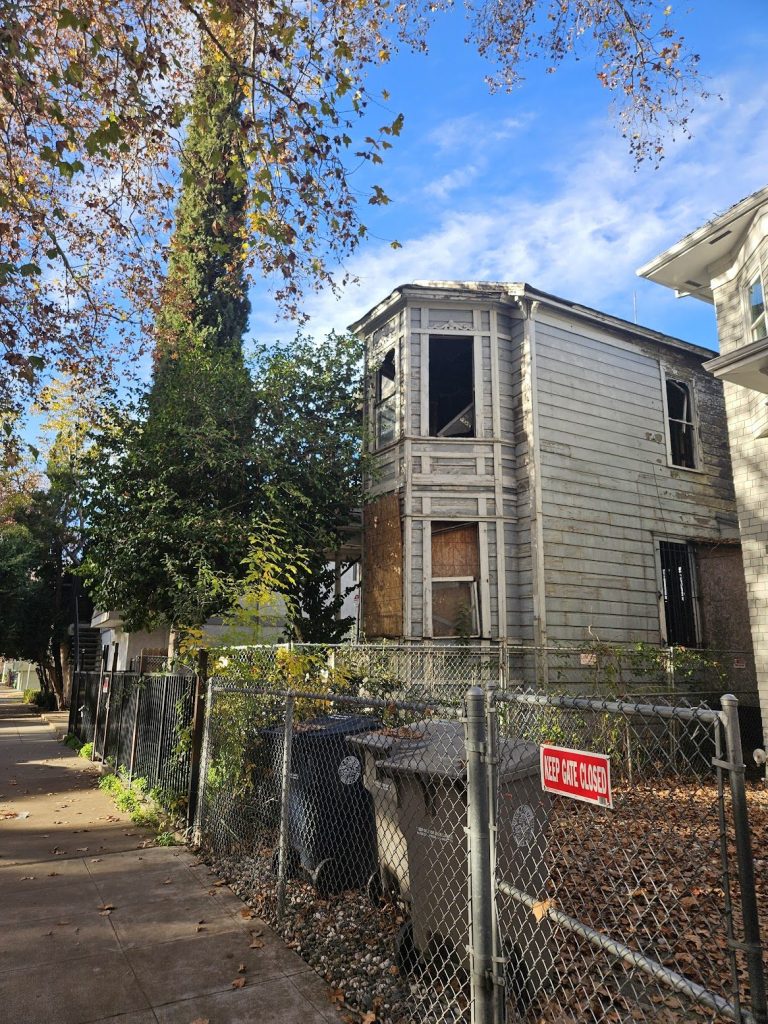
Everywhere you look you see unoccupied commercial buildings. Many that have been without tenants for years. At the same time, next-door businesses struggle and are forced to close because they can’t afford rent at their current location.
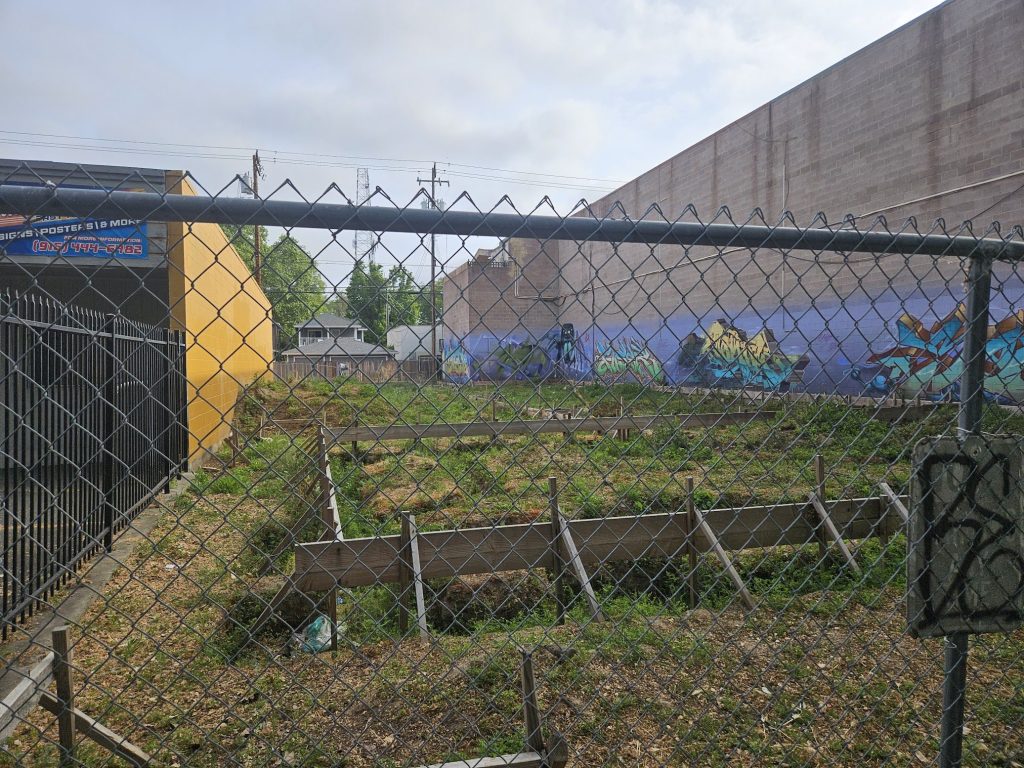
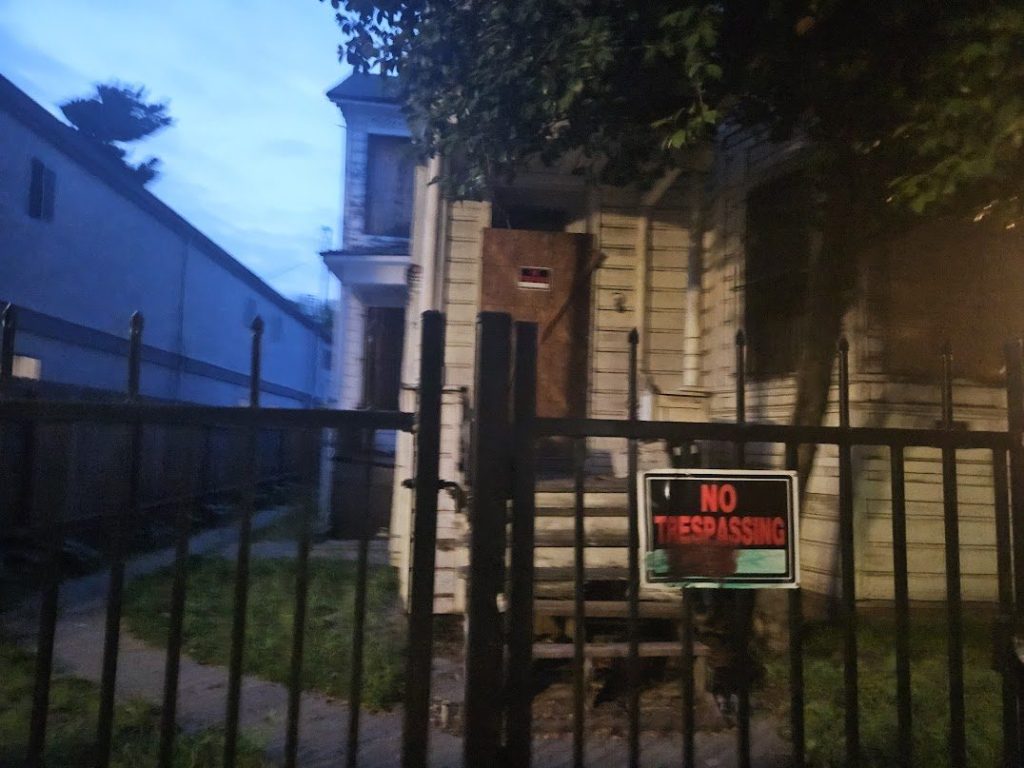
Meanwhile, residents of Sacramento are displaced from their homes, and neighborhoods have become dirtier and less-well-kept as vacant commercial spaces remain unfilled. Empty lots across Sacramento are ubiquitous despite multi-million dollar homes that can be found in immediately adjacent lots.
Having state workers commute to downtown Sacramento can’t fix this problem. But new economic policies can.
It’s time for Sacramento to do something
This is a market failure.
What are Market Failures?
Efficient markets operate based on principles of supply and demand. Market competition will drive down costs to ensure that oversupply of any one thing is eliminated.
If Sacramento’s commercial property market were operating efficiently, commercial rents would continue to decrease until vacancies were eliminated. That’s not what’s happening. We have an oversupply of vacant commercial properties, and rents for these properties are not significantly decreasing.
This is because commercial property owners are not incentivized to rent out existing properties at lower rates. Any decrease in asking rent would result in a devaluation of their property, which would show up as a loss for the companies that get rich by hoarding land, while returning nothing to the local community.
Between the broken tax code and increasing land value in California, property owners often find it more compelling to let properties sit vacant than to lower asking prices for rent to make it affordable for a business to move in.
What can be done?
We need to fix the economic conditions that cause commercial properties to remain vacant. Policy should encourage the development, rather than hoarding, of vacant lots and buildings.
Sacramento policies must be adopted to specifically discourage the surplus of unoccupied properties.
To resolve this ongoing market failure, Sacramento needs to adopt an escalating vacancy fee to drive down the asking rent until commercial and industrial spaces can be filled or redeveloped.
What can I do?
Voters can enact policy that makes a difference!
Join our Mailing List to learn more and get involved!
Vacant properties are a choice
Our Solution
There is a simple solution to the problem: a vacancy fee.
What is a Vacancy Fee?
A vacancy fee is a fee, or tax, that would be established through a ballot measure. Once established, the relevant fee is calculated for each vacant property in the city, and charged to property owners that choose to maintain vacant commercial or industrial spaces or vacant and abandoned lots that are not actively undergoing development agreements. Property owners would be required to pay this fee for specific kinds of properties that remain vacant beyond a set period of time.
What is a reasonable fee to charge?
Setting the appropriate fee is the most difficult part of enacting a vacancy fee. Ideally, the vacancy fee should be sufficiently high so that it incentivizes property owners to fill their spaces, or to sell their spaces so they may be developed for alternative uses. We support a graduated fee structure.
Why aren’t property owners trying to fill vacancies?
Right now, property owners are incentivized to hold on to vacant spaces, and to maintain high rents, because the asking rent is directly tied to the declared value of the property. Lowering the rent to fill the vacancy directly impacts the declared assets and overall valuation for the company holding real estate, making it harder to borrow against the property to invest in additional assets.
Various California land-use and zoning laws have caused housing prices to increase at rates significantly higher than inflation for many decades. This has made hoarding land in urban environments a lucrative investment for speculators. Commercial real estate owners anticipate that California policy will continue to increase land values, further eroding incentives to sell or utilize empty spaces.
Calculating a reasonable fee
A fair fee should aim to recover the expected capital gains and tax benefits that property owners might otherwise receive due to land hoarding and speculation.
Land hoarding and speculation do not benefit our community
Speculative investments often extract value from the community while allowing property owners to profit from the hard work, labor, and investments of others that improves our community.
A Graduated Fee Structure
A tiered fee approach can discourage speculative pricing while giving property owners a clear incentive to adjust their rates competitively:
- Base Rate: Impose a moderate fee once a property qualifies as underutilized. The base rate should initially be a small fixed rate (e.g. $0.50 per square foot per month of vacancy), and should escalate as the property remains vacant.
- Total Fee: The total fee would accrue monthly, and is calculated using the base rate multiplied by the total number of months the property has remained vacant at the base rate, less an initial grace period
- Fee = [Base Rate] x [Sq.Ft Vacancy] x [Months Vacant at that Base Rate]
- Escalation Mechanism: If the property remains vacant, the base rate should increase.
- For instance, if a property is vacant for:
- 0-3 months: $0 per square foot
- 4-6 months: $0.50 per sq. ft per month
- 7-9 months: $0.75 per sq. ft per month
- 10-12 months: $1.00 per sq. ft per month
- 13-24 months: $2.00 per sq. ft per month.
- 25+ months: incerases by $1.00 per sq. ft for subsequent 12-month periods.
- An escalating base rate will encourage owners to either reduce their asking rental rates to reduce vacancy, or to consider alternative uses for the space and pursue active development. The longer the owner keeps the property vacant, the more they would pay annually.
A Vacancy Fee Will
- Incentivize commercial real estate owners to decrease their asking rents until new tenants are found and store fronts appear
- Reduce inflationary pressures on services and products offered by local businesses — saving us all money
- Create more vibrant communities
- Support converting unprofitable commercial spaces into housing
- Encourage infill development for vacant lots
Property owners that benefit from abandoned lots cost us a lot.
faq
Frequently Asked Questions
Below is a set of frequently asked questions
Should vacancy fees apply to existing residential units?
We do not recommend charging vacancy fees on legally habitable dwellings at this time.
A vacancy fee is necessary to address the specific market failure that comes from having an oversupply of commercial spaces and insufficient demand to fill these spaces at the price being requested.
Sacramento’s housing market suffers from an insufficient supply of housing. A residential vacancy fee could increase housing costs, and make it more difficult to build new housing.
Why haven’t we had a vacancy fee before?
The market had previously been more competitive. New commercial spaces came into existence as demand in the area for spaces increased. As California housing costs have continued to increase, commercial spaces have raised their rents. Since the pandemic and the rapid increases in the costs of goods and services, there has been a significant shift in consumer demand and in the locations where they demand goods and services.
In a competitive market, commercial spaces would decrease their asking rents until spaces were one again filled. However, decades of tax policy and other business incentives work together to encourage property owners to hold their properties as speculative investments, with limited incentive to lease their properties at competitive rates.
Doesn’t the city already have a vacant lot fee?
Yes. The city’s vacant lot program is a laughable $70 per year. These fees should instead be tens or hundreds of thousands of dollars per year — the economic value that comes from using that land for housing or other productive uses that benefit our community.
Will a vacancy fee increase business expenses?
No. A vacancy fee will make it less profitable for large, profiteering commercial real estate investors to hold on to vacant properties. This will make it more affordable for businesses to start in the area. Because rents will decrease in response to vacancy fees, existing businesses will be able to similarly negotiate more-favorable rates, which will decrease their costs. Savings in rental costs will keep costs lower, and will allow for more vibrant restaurants, retailers, and services to start up in Sacramento.
How long should a property be allowed to sit vacant before paying fees?
Housing and other commercial spaces may have difficulty immediately finding tenants. 90-day search periods are likely adequate for most property owners to find a new occupant, or to decide a specific property should be put toward an alternative use and to enter into a development agreement.
An annual fee assessed on properties based on the number of months, less a 3-month grace period, that the property has sat vacant for in the preceding 12-month period, and where the property has not been undergoing active development is likely sufficient.

Vacancy Fee Project is a registered 501(c)(4) social welfare organization that aims to promote the common good and general welfare of the public by advocating for legislative and ballot-based solutions to vacant properties.